








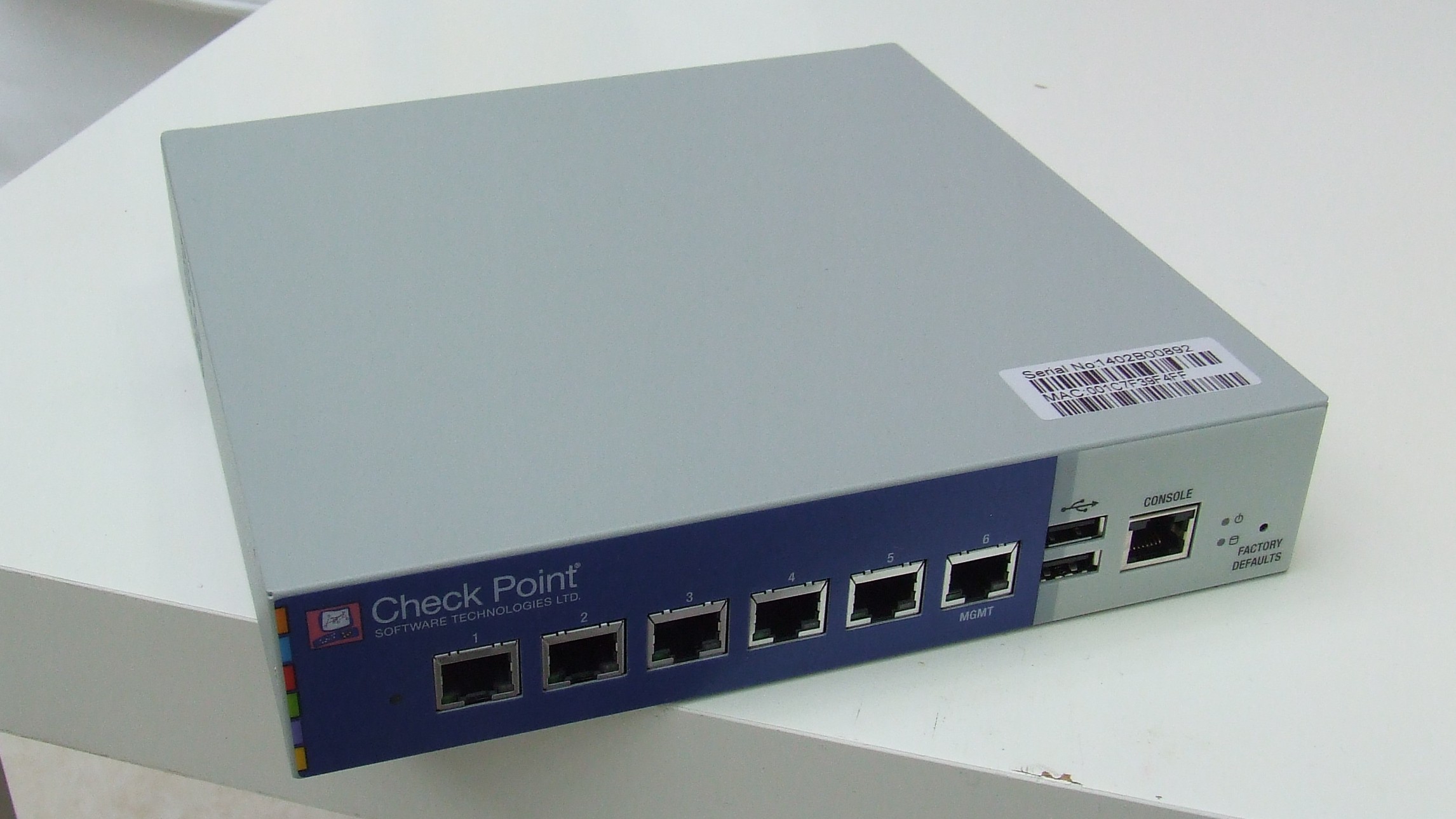

Why it matters: Check Point firewalls and management servers sit at the edge of many corporate networks, and the company says it saw the flaw exploited against a couple of dozen customers before CISA added it to its catalog on Nov 13.
The Cybersecurity and Infrastructure Security Agency on Nov 13 added a flaw in Check Point's security software to its Known Exploited Vulnerabilities catalog "based on evidence of active exploitation." Check Point, which makes firewalls and network security software, published its own advisory and fixes a day earlier.
The flaw: CISA's catalog says CVE-2026-123039 affects Check Point Firewall, Multi-Domain Security Management Server, Scalable Platforms, Security Gateway and Security Management Server. A background program in Check Point's Gaia operating system, called the DynamicCLI daemon, runs as root and listens on a local connection point that any user on the device can write to, without checking who is connecting. CISA says an authenticated local user can send a command to it and have it run as root, the highest level of control on the system.
What Check Point says: In advisory sk1000362, last updated Nov 12, Check Point said the issue is a local privilege escalation and "requires the attacker to already have local code execution on the appliance." The company said it "observed an active exploit of this vulnerability against a couple of dozen customers." It rates the flaw High, with a severity score of 7.8, the same score listed in the CVE record Check Point published on Nov 12.
Who is affected: Check Point lists these product lines as affected:
- Check Point Force Firewalls.
- Check Point Management and Log Servers.
- Multi-Domain Security Management and Multi-Domain Log Server.
- Maestro Orchestrator.
The affected software versions are R82.20, R82.10, R82, R81.20, R81.10 and R81, and the advisory marks R81 and R81.10 as past end of support. Check Point said its Spark Firewalls and its Smart-1 Cloud service are not affected.
The fix: Check Point said the problem is fixed in its Jumbo Hotfix Accumulator updates starting with Take 14 for R82.20, Take 52 for R82.10, Take 132 for R82 and Take 174 for R81.20. As a stopgap, the company said administrators can stop the DynamicCLI process and keep it from restarting, though that breaks some extended command-line tools. The advisory also says the daemon logs every command it receives and lists log checks administrators can run to look for signs that commands were run as root through the flaw.
Deadline: Federal civilian agencies have until Nov 16 to act on the flaw, three days after it was listed, and the catalog entry also calls for forensic checks for signs that a system was compromised before it was patched. CISA says its directive applies only to federal civilian agencies but encourages all organizations to prioritize fixing flaws in the catalog.
Also added Nov 13: CISA listed one other exploited flaw the same day, in UnrealIRCd, open-source chat server software. Its catalog entry says the bug lets any user on a network of two or more linked servers inject server-to-server commands, and it carries the same Nov 16 deadline.
Sources
- CISA alert: "CISA Adds Two Known Exploited Vulnerabilities to Catalog," Nov 13, 2026
- CISA Known Exploited Vulnerabilities catalog, entry for CVE-2026-123039 (added Nov 13, 2026)
- Check Point advisory sk1000362: CVE-2026-123039, local privilege escalation in the DynamicCLI process
- National Vulnerability Database: CVE-2026-123039
How we checked this: We read CISA's Nov 13 alert, CISA's catalog data file entry for CVE-2026-123039 (added Nov 13), Check Point's advisory sk1000362 (last modified Nov 12) and the CVE and National Vulnerability Database records, in copies saved on Nov 14, 2026 at about 12:39 PM ET.
See something wrong? Tell us and we'll fix it. Every fix is dated and listed on our Corrections page.