








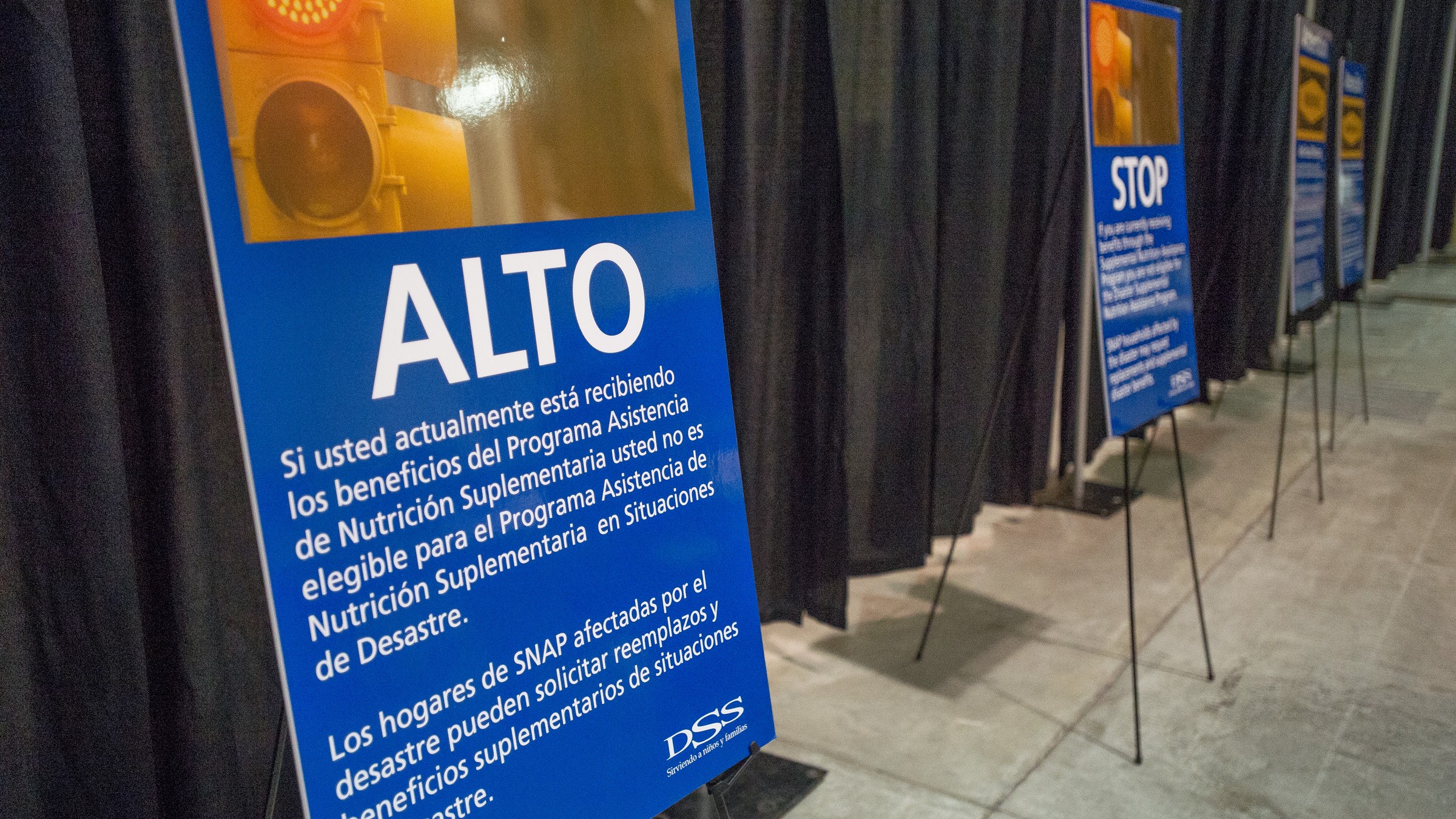

Why it matters: The proposed rule estimates that 3.2 million households containing 6.3 million people would no longer receive SNAP benefits in fiscal 2029 if it is finalized as written.
The U.S. Department of Agriculture has proposed limiting which households qualify for the Supplemental Nutrition Assistance Program automatically through the Temporary Assistance for Needy Families program. The proposed rule from USDA's Food and Nutrition Administration was filed for public inspection on Nov. 9, 2026, and is scheduled to be published in the Federal Register on Nov. 10, according to the document.
What would change. Under current SNAP regulations, households whose members all receive benefits from a state program funded by TANF are "categorically eligible" for SNAP, and those benefits can include non-cash or in-kind services, the proposal says. The rule would limit categorical eligibility to households that receive TANF assistance as defined at 45 CFR 260.31. States use the current approach, known as broad-based categorical eligibility, to extend SNAP to households above the program's federal income or asset limits. As of December 2025, 46 states were using it, 37 had gross income limits higher than SNAP's and 41 had no resource limit, the document says.
The agency's estimates. USDA estimates the change would reduce federal SNAP benefit spending by about $44.649 billion over fiscal years 2027 through 2031, or about $44.6 billion, according to the proposal's impact summary. It projects about $309.5 million less in federal reimbursement of state administrative costs over the same five years and a net reduction of about $5.243 billion in state SNAP spending. The department estimates that 16.9% of participating SNAP households (17.6% of participants) would no longer receive benefits because their income or resources exceed federal limits. That is 3.2 million households containing 6.3 million people in fiscal 2029, the first year the rule is expected to reach full effect, the document says.
School meals and other programs. USDA estimates about 1.78 million students would no longer be categorically eligible for free school meals, though about 97% of them would remain eligible for free or reduced-price meals based on household income. It estimates about 1.66 million would still receive free meals, 93,000 would move to reduced-price meals and 28,000 would pay full price. The department also estimates about 42,000 students could stop receiving Summer EBT starting in summer 2029, and that 5,500 of the 22,000 WIC participants now eligible through this route would no longer qualify for WIC, per the proposal.
The department's reasoning. USDA says more than 840,000 one- and two-person households received the minimum SNAP benefit in 2024 only because of broad-based categorical eligibility, totaling nearly $214 million, and that the change would target benefits to households that have qualified for TANF assistance, the document says. The department also acknowledges the revisions may increase state administrative work and reduce SNAP benefit spending, with effects on school meals eligibility.
Earlier attempt. USDA proposed a different change to categorical eligibility on July 24, 2019 (84 FR 35570). That proposal was withdrawn on June 10, 2021 (86 FR 30795), according to the new rule.
Comments and review. Comments are due 30 days after publication in the Federal Register and can be submitted at regulations.gov under docket FNA-2026-0661. The department has classified the proposal as economically significant, and the White House Office of Management and Budget reviewed it, the document says.
A second proposal the same day. USDA also filed a separate proposed rule on Nov. 9 on work requirements for able-bodied adults in SNAP, also scheduled for Nov. 10 publication. It would codify the department's implementation of 2025 law changes to the program's three-month time limit, update rules for area waivers and revise SNAP's definition of a homeless individual, according to its summary. That proposal has also been determined to be economically significant, per the document.
Sources
- Federal Register public inspection: Supplemental Nutrition Assistance Program: Reforming Categorical Eligibility (document 2026-22936)
- Official public inspection PDF, document 2026-22936
- Federal Register public inspection: Modification to Work Requirements for Able-Bodied Adults (document 2026-22944)
- Official public inspection PDF, document 2026-22944
How we checked this: We read Federal Register public inspection document 2026-22936 (the official unpublished PDF and its API record, filed 8:45 a.m. ET Nov. 9, 2026) and document 2026-22944, saved Nov. 9, and checked every figure, date and description in this story against those copies.
See something wrong? Tell us and we'll fix it. Every fix is dated and listed on our Corrections page.