








Why it matters: The proclamation makes three West Wing rooms a national monument and requires documentation and review of alternatives before any action that would substantially alter or demolish them, while leaving the President free to redecorate and make routine changes.
The Oval Office is now a national monument. In Proclamation 11080, signed Nov. 5, 2026, President Donald J. Trump used the Antiquities Act to declare the Oval Office National Monument, according to the proclamation filed for public inspection on Nov. 10. It is scheduled to be published in the Federal Register on Nov. 12.
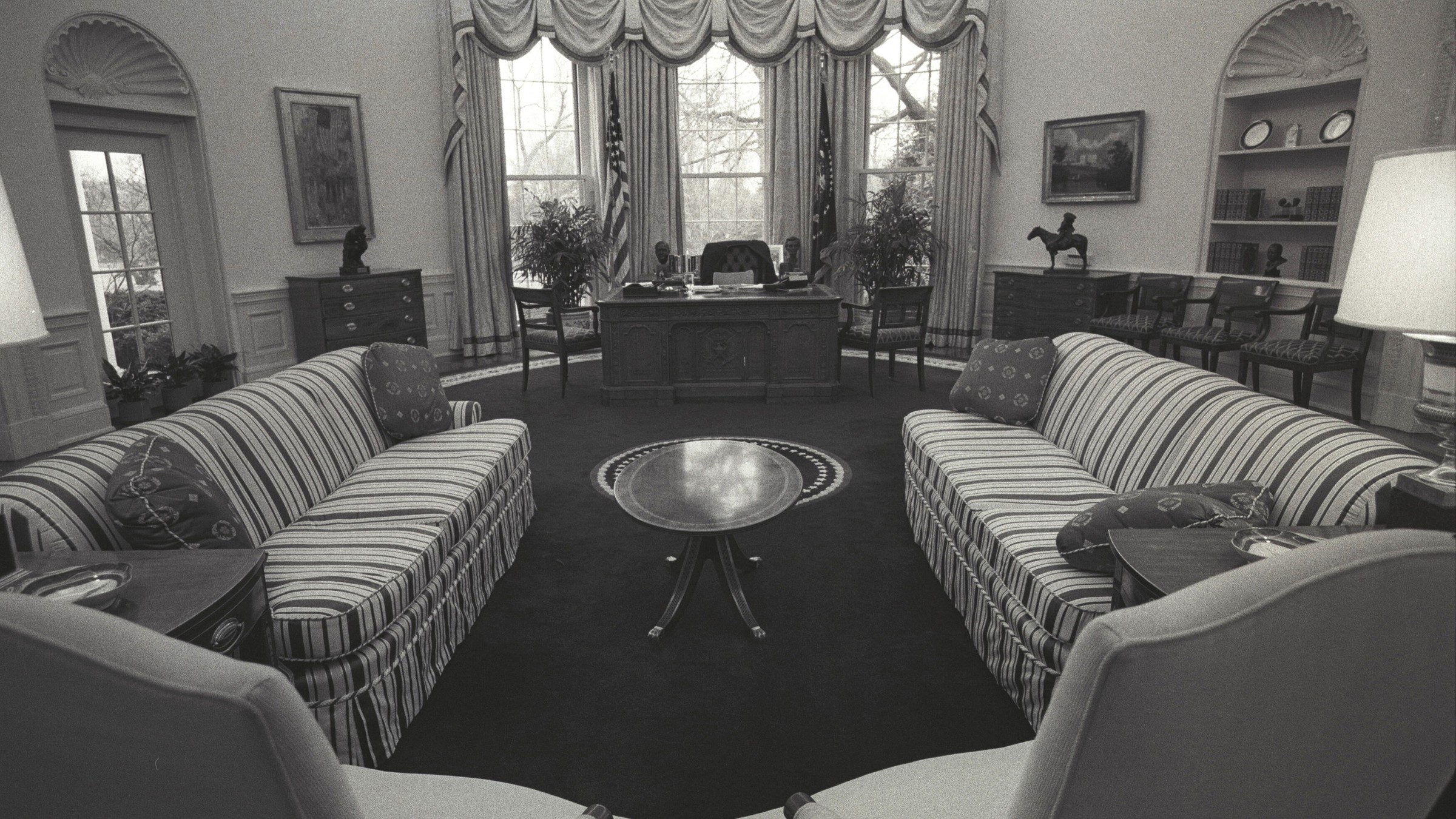
What the monument covers. The monument consists of the Oval Office itself (Room 110), the Outer Oval Office (Rooms 106 and 108) and the Cabinet Room (Room 105), the proclamation says. It states that those boundaries are "the smallest area compatible with the proper care and management" of the objects to be protected, the standard the Antiquities Act (54 U.S.C. 320301) sets for national monuments.
Who manages it. The Secretary of the Interior, through the National Park Service, is to manage the monument in a way that protects its historic character, architectural integrity and association with the Presidency, per the document. The proclamation directs the Secretary to:
- Develop and carry out a management plan, in consultation with the White House Office of Administration and other agencies, that prioritizes preserving the rooms' structural and significant architectural features.
- Require documentation, review and consideration of alternatives before any action that would substantially alter or demolish the monument or its essential architectural elements.
- Make sure proposed changes affecting the rooms' historic character are evaluated for consistency with their national significance.
- Coordinate with the Committee for the Preservation of the White House and other advisory bodies.
What it doesn't change. The proclamation says nothing in it restricts the President's authority "to redecorate the monument, select furnishings, or make ordinary operational and security modifications" that do not substantially impair the rooms' historic structure or architectural character. It also says it does not alter existing exemptions for the White House under the National Historic Preservation Act or diminish Congress's authority over federal property, the proclamation says.
Background. The proclamation notes that the White House and its grounds are federal property administered by the National Park Service as part of the President's Park and are already recognized as a National Historic Landmark. It says the room's oval design was first introduced in the West Wing under President William Howard Taft, and that the office has been in its present location and form since the administration of President Franklin D. Roosevelt.
Sources
- Federal Register public inspection: Oval Office National Monument; Establishment (Proc. 11080), document 2026-23113
- Official public inspection PDF, document 2026-23113
How we checked this: We read Federal Register public inspection document 2026-23113 (the official unpublished PDF of Proclamation 11080 and its API record, filed 11:15 a.m. ET Nov. 10, 2026), saved Nov. 11, and checked every room number, date, duty and quote in this story against that copy.
See something wrong? Tell us and we'll fix it. Every fix is dated and listed on our Corrections page.