
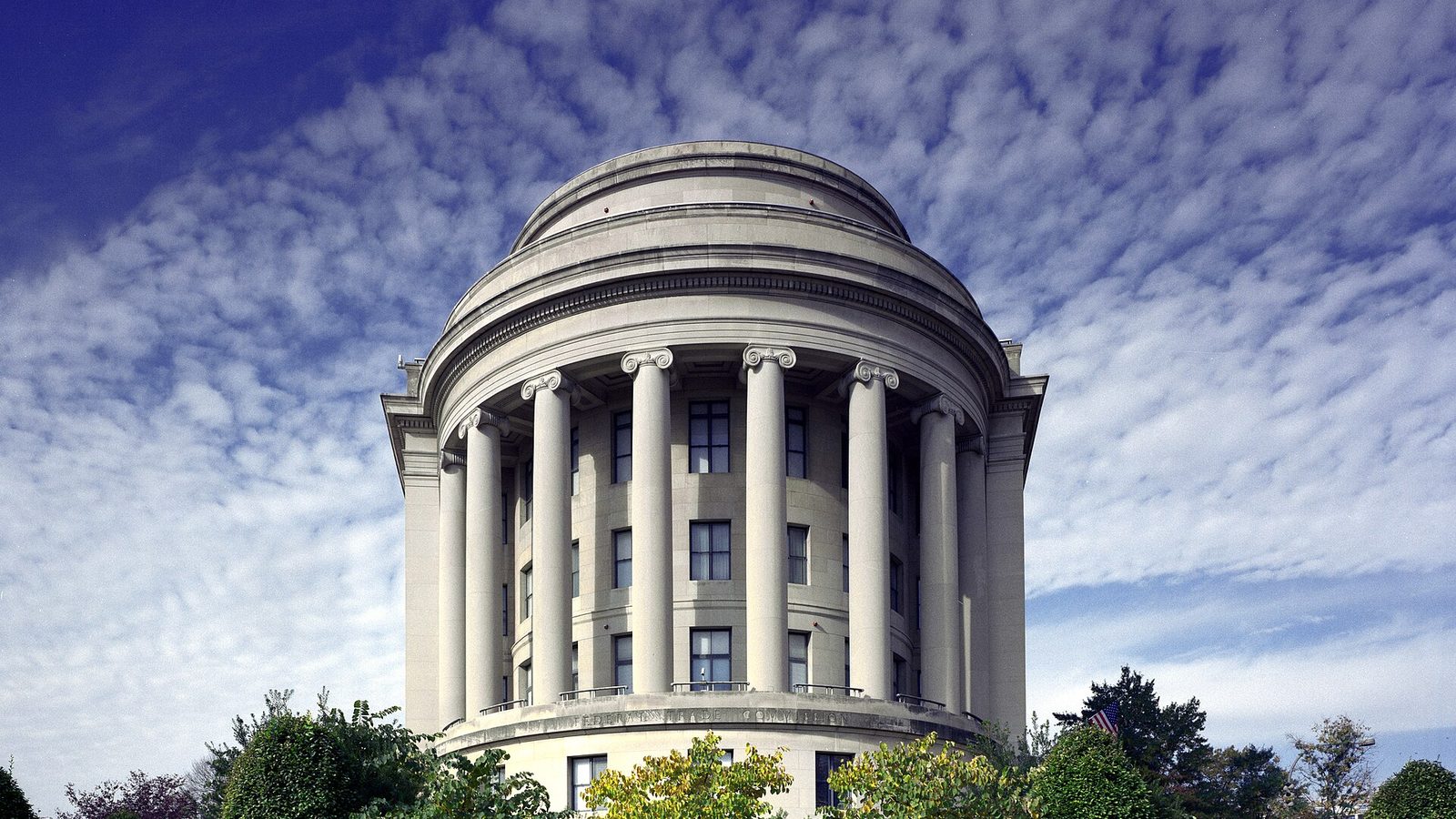

The Federal Trade Commission and a group of state and local officials sued Toast (TOST) and affiliated companies on Oct 29 in the U.S. District Court for the Northern District of California (Case No. 3:26-cv-12705). The co-plaintiffs are the attorneys general of Colorado, Florida, Illinois, Iowa, Nebraska, Oklahoma and Utah, along with the People of the State of California, acting through the Los Angeles County Counsel and the San Francisco City Attorney.
According to the Nebraska Attorney General's announcement, the complaint alleges that Toast "saddles restaurants with hidden fees, unauthorized fees, and unwanted add-ons," fails to deliver on its customer support promises, and makes it difficult to cancel its services. The plaintiffs are seeking a permanent injunction, monetary relief and civil penalties.
What the complaint alleges
- Pay-as-you-Go plan: The complaint alleges Toast marketed the plan as $0 for hardware and software, but it came with fees and possible early termination charges that Toast didn't clearly disclose.
- $0.99 fee: The complaint alleges that from around September 2021 to late July 2023, Toast added a $0.99 fee to online orders over $10, paid by restaurant patrons. According to the complaint, the fee wasn't adequately disclosed to patrons or restaurants, and Toast kept it rather than the restaurants.
- Cancellation: The complaint alleges Toast required written notice and multiple contacts with customer-service teams to cancel, sometimes with sales pitches to stay. In one example cited in the complaint, a consumer told the FTC he was charged a $5,318.87 early termination fee when he cancelled after four years.
- Toast Capital loans: According to the complaint, Toast treats cancelling or switching providers as a default on a Toast Capital loan, which can require the borrower to repay the outstanding balance immediately.
- Customer support: The complaint alleges Toast's "24/7/365" support claim was false. It cites consumer complaints about long delays, no help on weekends, and problems left unresolved for weeks or months.
Toast's response: In a statement on Oct 29, Toast said: "We strongly disagree with the allegations in the lawsuit filed by the FTC and will vigorously defend the Company against the FTC's claims." The company argued that the Restore Online Shoppers' Confidence Act (ROSCA), the federal online-subscription law the FTC is invoking, shouldn't apply to its contracts with restaurants: "No court has held that ROSCA applies to negotiated business-to-business agreements, and we don't believe it applies here." Toast said it has cooperated with the FTC's review since mid-2025, and that "Nothing about today's news changes our customer service, pricing, or support."
The allegations haven't been proven in court.
Sources
- Complaint, FTC et al. v. Toast, Inc. et al., No. 3:26-cv-12705 (U.S. District Court for the Northern District of California, filed Oct 29, 2026), via the Nebraska Attorney General
- Nebraska Attorney General Mike Hilgers, announcement, Oct 29, 2026
- Illinois Attorney General Kwame Raoul, announcement, Oct 29, 2026
- Toast statement, "Toast Responds to FTC Lawsuit," Toast investor relations, Oct 29, 2026